




Fuse box upgrades and the benefits of safety switches
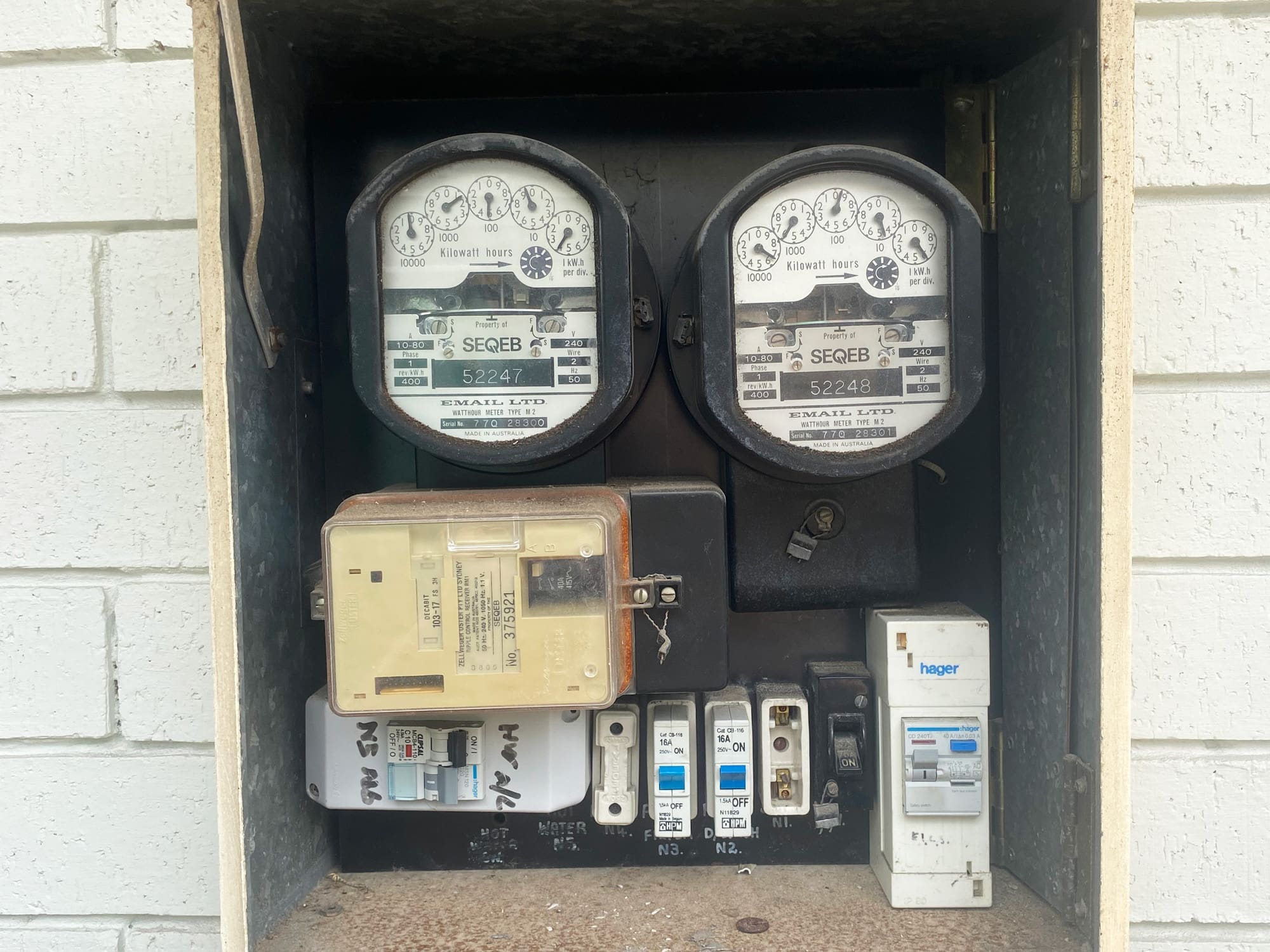
If your home still has its original fuse box with round ceramic fuses, you’re not alone – plenty of older Ipswich homes do. But there’s an important difference between a fuse box and a modern switchboard fitted with safety switches, and it comes down to more than just convenience.
What’s the difference between a fuse and a safety switch?
A fuse (or circuit breaker) protects your wiring and appliances from overload and short circuits – it’s designed to stop a cable from overheating and starting a fire. What it doesn’t do is protect people. A safety switch, technically called a Residual Current Device (RCD), constantly monitors the electricity flowing through a circuit. If it detects current leaking somewhere it shouldn’t – like through a person – it cuts the power in a fraction of a second, well before it can cause a fatal shock. A fuse box on its own offers no protection against electrocution.
Why Queensland law requires safety switches
Under Queensland’s Electrical Safety Regulation 2013, safety switches are mandatory on all new and altered power and lighting circuits in homes. Rental properties have their own requirements too: landlords have been required to fit safety switches on all power point circuits since 2018, checked at every change of tenancy. If you’re renovating, adding circuits, or leasing out a property that still has an old fuse box, a safety switch upgrade isn’t optional – it’s the law.
Signs your switchboard needs upgrading
A few tell-tale signs it’s time: round ceramic (“wire”) fuses instead of switches, no RCD or safety switch listed on the board at all, circuits that trip constantly (or never trip when they should), you’re adding solar, a battery, an EV charger or reverse-cycle air conditioning and the board can’t take it, or the board itself is rusted, cracked, or shows scorch marks.
What’s involved in a switchboard upgrade
A typical upgrade replaces old fuses with modern circuit breakers, adds safety switches across all circuits (not just the single one required by law), and often includes surge protection to guard sensitive electronics. For most homes it’s a same-day job, and it future-proofs your switchboard for whatever you add next – solar, a battery, or an EV charger.
Test your safety switches regularly
Even once installed, a safety switch only works if it’s working. Queensland’s Electrical Safety Office recommends testing safety switches every three months using the test button on the switchboard – it takes seconds and confirms the switch is still cutting power correctly.